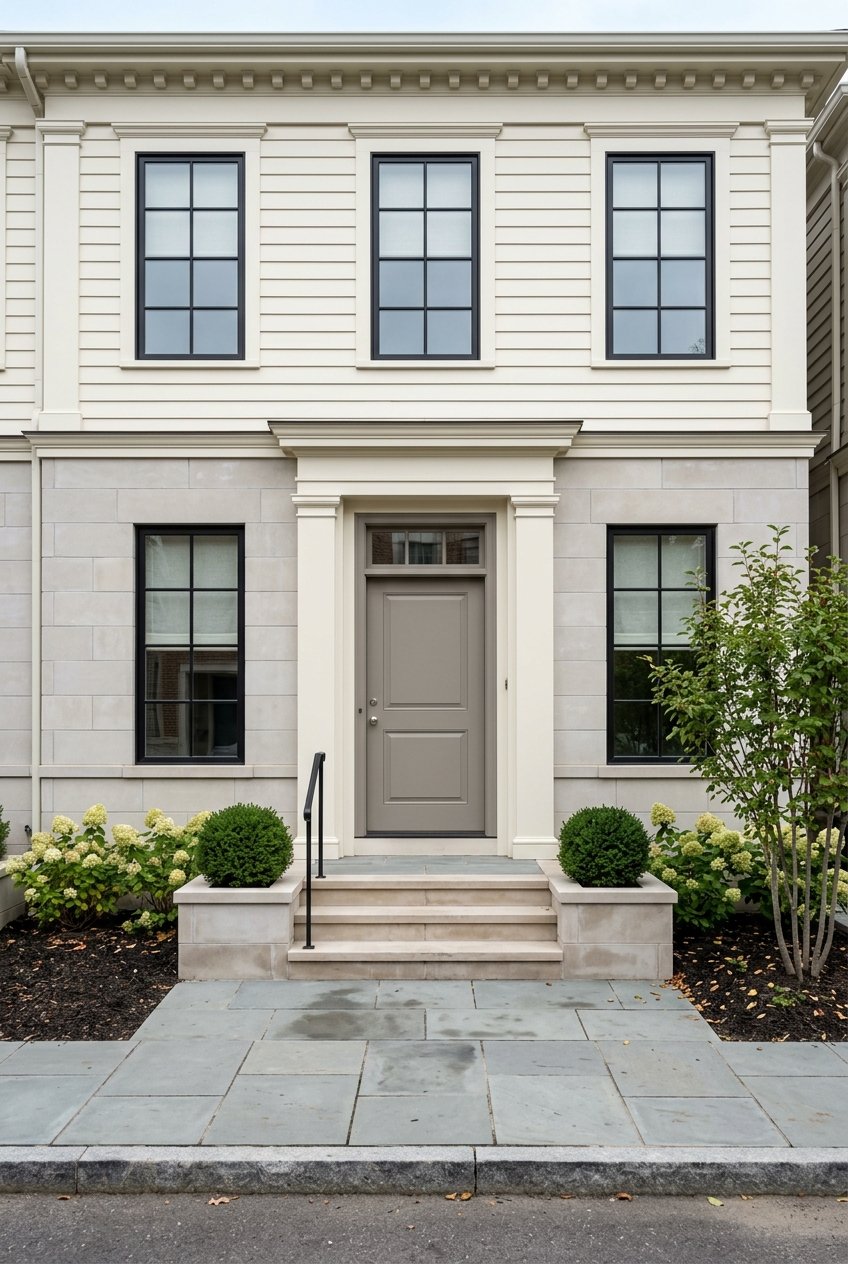
If you have been watching Greenwich Proper, you have probably noticed something important: new development is not arriving in waves. In 06830, change is happening in smaller, more intentional ways that still have a real impact on luxury buyers and sellers. If you want to understand where value, competition, and opportunity may be headed, it helps to look closely at what is actually being built. Let’s dive in.
Greenwich Proper remains supply constrained
Greenwich Proper is still a scarce and expensive in-town market. A Q1 2026 market update using Greenwich MLS data reported a median sales price of $2.99 million, 81 closed sales, 66 active listings, and 93 average days on market. The same report noted that inventory was down 35% year over year.
That matters because even modest additions to supply can influence buyer expectations in a low-inventory environment. In a market where a large share of closings already occurs above $4 million, a small new project can become highly visible very quickly. Rather than flooding the market, new development here tends to create very targeted competition.
Townwide data reinforces that point. Greenwich Association of REALTORS® reported that 2025 ended with a single-family median sale price of $3.15 million, up 9.9% from 2024, while the condo and co-op median fell to $960,000 and sales in that segment softened. For you as a buyer or seller, that suggests the in-town condo market may be more selective and more sensitive to pricing and presentation than the single-family segment.
New development is mostly boutique
If you picture large-scale luxury towers, Greenwich Proper tells a different story. Most of the new development pipeline is made up of boutique infill, adaptive reuse, and small-format residential projects woven into the existing downtown fabric. That pattern is shaping luxury living in a way that feels more curated than disruptive.
One of the clearest examples is 240 Greenwich Avenue. After multiple versions over six years, the approved plan called for 12 condominiums across three stories while preserving the historic bank building facing Greenwich Avenue. The final approval reflects how design, scale, and preservation considerations continue to shape what can move forward.
Other projects show the same pattern. Town records show a final site plan for 267 Greenwich Avenue to convert second-floor office space into three two-bedroom apartments. A separate proposal at 226-230 Mason Street and 16 Havemeyer Place described a new building with six dwelling units while retaining the existing armory shed.
Even the larger proposals remain rooted in mixed-use and site-specific realities. A proposal at 405 Greenwich Avenue and 290-294 Mason Street would include retail at street level with 75 residential units above, including 24 below-market units deed restricted for 40 years. In other words, even a bigger in-town project is not a simple luxury condo play.
Why the scale stays smaller
Greenwich is a built-out community, and town planning documents are clear that infill development on vacant or underused land is the main path for new housing. The same planning framework says new multifamily development should remain compatible with the existing and desired future character of the neighborhood. That gives you an important lens for interpreting future projects.
Downtown Greenwich is also defined by a pedestrian-oriented pattern of two- and three-story buildings, limited setbacks, sidewalks, awnings, landscaping, and a strong street wall. That existing form naturally limits the kind of development that makes sense in Greenwich Proper. New projects tend to be shaped around continuity with the streetscape, not reinvention of it.
Historic review is another real factor. The town’s Historic District Commission reviews changes within historic districts and local historic properties, and the Historic Overlay Zone can allow flexibility in exchange for permanent deed restrictions and ongoing review of changes to historic assets. Since Greenwich Avenue Historic District is one of the town’s identified historic resources, preservation is often part of the development conversation from the start.
Local housing rules also influence scale and structure. According to the town, multifamily developments with more than four units must include below-market units. That helps explain why many in-town projects remain smaller, mixed-rate, or adaptive reuse opportunities rather than straightforward luxury-only developments.
How luxury living is changing
So what does this actually mean for the way you live in Greenwich Proper? It means luxury in 06830 is increasingly tied to walkability, low-maintenance ownership, and thoughtful design within an established in-town setting. Newness matters, but so does how a home fits into the larger context of downtown Greenwich.
Recent transactions make that clear. At The Modern, a 12-unit condominium building at 125 Field Point Road built in 2021, one unit closed at $5 million in March 2025. A five-bedroom elevator condo at 57 Locust Street closed at $3.995 million in December 2025.
Those are meaningful price points for homes that offer a more turnkey, lower-maintenance lifestyle. They show that buyers in Greenwich Proper will pay a premium for newer or newly finished in-town product when the location, design, and ease of ownership align. Luxury here is not defined only by lot size or estate scale. It is also defined by convenience, finish quality, and walkable access.
A newly built 2025 townhome at 71 Old Field Point Road adds another signal. The property was described as about 0.4 miles from the train and under a mile from Greenwich Avenue, which highlights continued demand for townhouse-style living near the core. For many buyers, that combination of proximity and privacy is a compelling alternative to a larger older house that may require more upkeep.
Public improvements support in-town demand
The lifestyle story is not just about private development. Public-realm improvements are also reinforcing the appeal of luxury living in Greenwich Proper. When downtown access becomes easier and more comfortable, in-town residential product often becomes more attractive.
The town completed Greenwich Avenue ADA improvements in fall 2025. A separate Railroad Avenue and Field Point Road pedestrian project is scheduled to begin in spring 2026 and finish in fall 2026, with new pedestrian signals, ADA curb ramps, and improved access to the train station and bus stops.
For buyers, these changes support the value of being able to move easily between home, downtown amenities, and transportation. For sellers, they strengthen the case for homes positioned around convenience and an in-town lifestyle. Small infrastructure upgrades can have an outsized effect in a market where location precision matters.
What buyers should watch now
If you are buying in Greenwich Proper, your comparison set may need to be more nuanced than simply new versus old. In this market, you are often choosing between a newly built condo or townhome, a renovated historic residence, or an older in-town property with future renovation potential. Each path comes with a different mix of design, maintenance, and long-term value considerations.
Because the development pipeline is limited, each boutique project can create its own micro-market. A 12-unit condominium development or a six-unit adaptive reuse project may not sound large, but in a supply-constrained submarket it can influence pricing expectations nearby. Paying attention to exact location, finish level, and product type is essential.
You should also factor in carrying costs. Greenwich’s 2025 townwide revaluation is based on 70% of fair market value as of October 1, 2025, and it will affect the July 2026 tax bill. For a high-end purchase, that means your ownership costs may need to be evaluated in a newly updated tax-assessment environment.
What sellers should understand
If you own property in Greenwich Proper, new development does not necessarily create broad competition, but it can sharpen buyer expectations. When a buyer tours a polished new condo, townhome, or recently completed luxury residence nearby, they may look more critically at layout, finishes, and condition elsewhere. That is especially true in the in-town segment where convenience and turnkey living are highly valued.
This is where presentation becomes strategic. Design quality, readiness, and timing matter when nearby new or nearly new product is entering the conversation. In many cases, thoughtful preparation and targeted updates can help an existing property compete more effectively against boutique new development.
That does not mean every seller needs a full renovation. It means your home should be positioned with a clear understanding of what nearby new inventory is offering and what buyers are willing to pay for ease, style, and location. In a market like Greenwich Proper, small differences in execution can have a meaningful effect on outcome.
Why this matters long term
The big picture is that Greenwich Proper appears to be evolving through selective infill, adaptive reuse, and pedestrian-oriented improvements rather than a wholesale change in scale or character. That is an important distinction. It suggests the neighborhood’s luxury appeal is being refined, not replaced.
For buyers, that can support long-term confidence in the area’s character and scarcity. For sellers, it means value is increasingly tied to how well a property aligns with today’s definition of in-town luxury: convenience, quality, and design within a highly constrained setting. The market is changing, but it is doing so in a distinctly Greenwich way.
If you are weighing a purchase, sale, downsizing move, or a design-led strategy for an in-town property, working with a local advisor who understands both the market data and the nuance behind it can make a significant difference. For discreet, tailored guidance in Greenwich Proper, connect with Kara Cugno.
FAQs
How is new development affecting luxury home values in Greenwich Proper?
- New development in Greenwich Proper is limited and boutique in scale, so it is more likely to influence nearby pricing through small micro-comparables than through a major increase in inventory.
What types of new homes are being built in Greenwich Proper?
- Most new in-town development consists of boutique condominiums, townhomes, adaptive reuse projects, and mixed-use residential buildings rather than large luxury towers.
Why are new projects in Greenwich Proper usually small?
- Greenwich is a built-out community, and local planning, historic review, downtown character goals, and below-market housing requirements for larger multifamily projects all shape what can be built.
Are buyers paying premium prices for newer condos in Greenwich Proper?
- Yes, recent in-town sales such as a $5 million condo at 125 Field Point Road and a $3.995 million elevator condo at 57 Locust Street show strong pricing for walkable, low-maintenance luxury product.
What should sellers in Greenwich Proper do as new development enters the market?
- Sellers should focus on presentation, finish quality, and pricing strategy, since nearby boutique new development can raise buyer expectations around condition, design, and ease of ownership.