Wondering how to sell a Greenwich Gold Coast estate without turning it into a public event? If privacy matters to you, you are not alone. In a market where high-value homes can attract serious interest quickly, the right quiet-sale strategy is less about hiding the property and more about controlling exposure, preparing thoroughly, and making every showing count. Let’s dive in.
Why quiet sales matter in Greenwich
In Greenwich, especially around 06830 and the waterfront-adjacent Gold Coast areas, luxury inventory remains limited while buyer interest at the upper end is still very real. Local market reports in 2026 showed a median sold price of $3.35 million in Old Greenwich through May 31, and a Greenwich-wide single-family median sales price of $3.6 million.
That context matters if you are considering a quiet sale. In a market with constrained supply, a privacy-first approach does not automatically mean accepting less. It often means presenting a scarce asset to a narrower buyer pool with more intention.
For estates priced in the upper luxury tiers, local reports also showed meaningful but relatively thin inventory. The $6.5 million to $10 million segment had 6.7 months of supply, while homes above $10 million were still under one year of supply. That kind of market favors careful positioning, especially when your goal is discretion.
Define what a quiet sale means now
A quiet sale in Connecticut requires more planning than many sellers expect. Under Connecticut Public Act 26-23, effective October 1, 2026, public marketing has a broad definition that includes signage, websites, digital ads, and even private networks across at least two brokerage agencies or franchisees.
That means you need to decide early whether you want a truly private listing or a sale that starts discreetly and later moves into public exposure. Once public marketing begins, the property must be made available on a fair, publicly accessible listing platform at or before that first public marketing.
The law still allows private listings, pocket listings, and office-exclusive listings, as long as they are not publicly marketed. If you decline public marketing, the required Seller/Landlord Opt-Out of Real Estate Public Marketing form must be executed when the listing agreement is signed.
This decision is important because the opt-out form itself warns that reduced exposure may limit competition and could affect price and terms. For some estate owners, privacy is worth that tradeoff. For others, the better path is a phased strategy that begins with full preparation and then launches publicly when the presentation is ready.
Prepare the estate before anyone sees it
The strongest quiet-sale campaigns are usually built before the first confidential conversation ever happens. That means the home should be edited, improved where appropriate, professionally documented, and ready to show as a complete product.
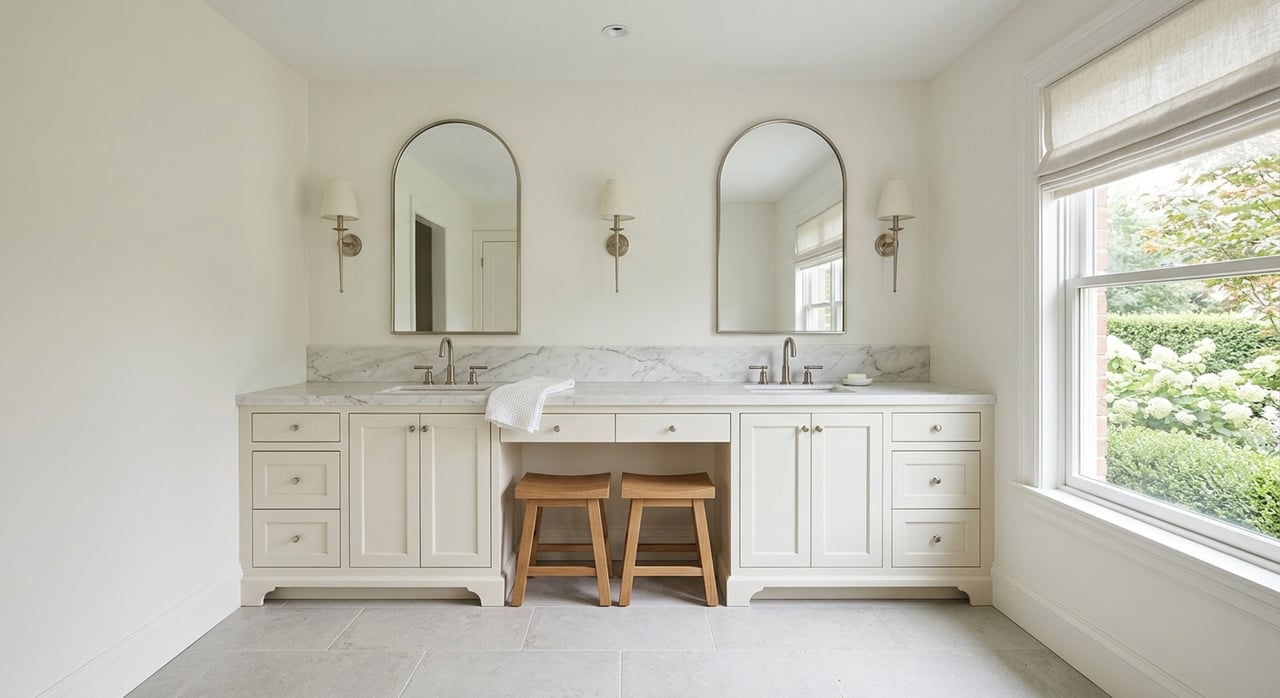
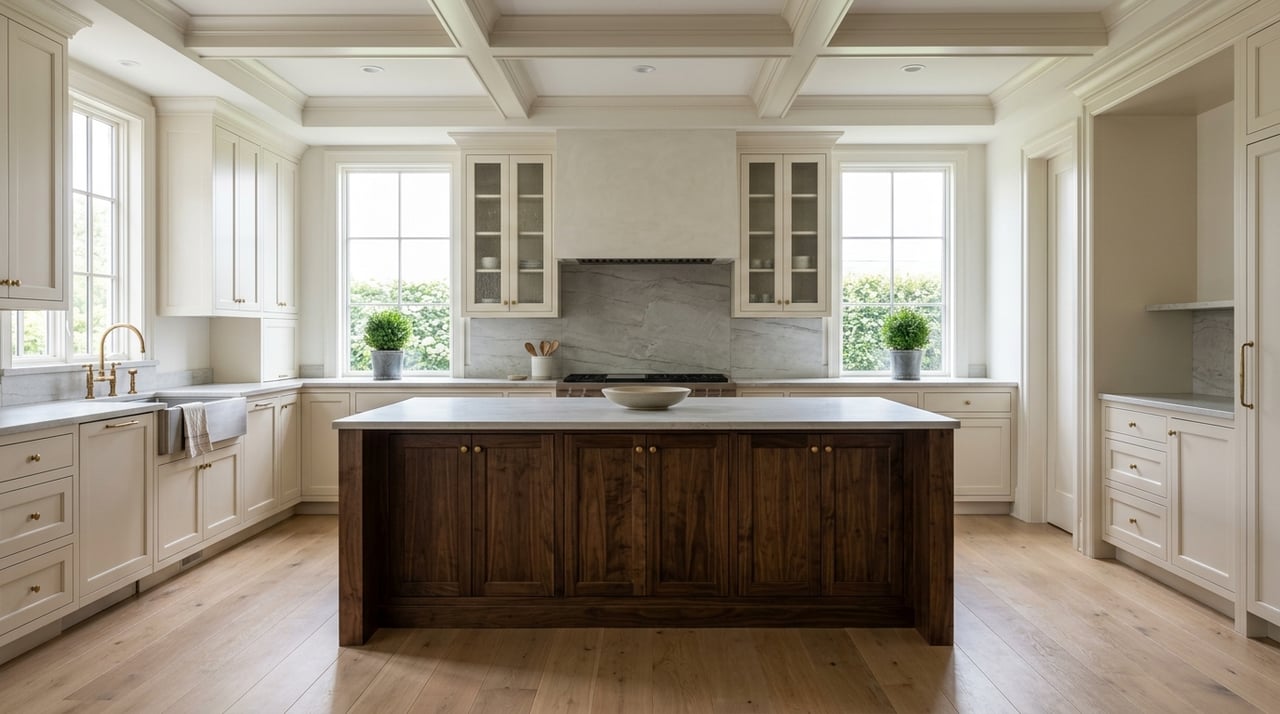
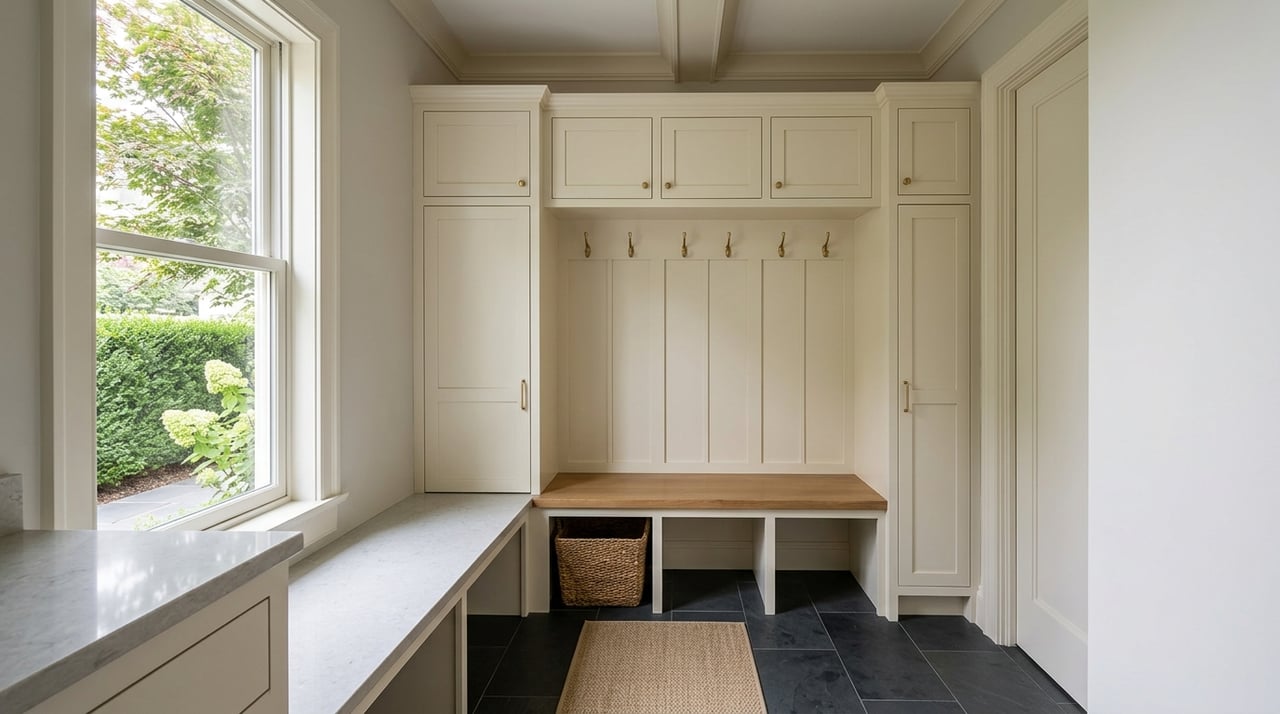
In Greenwich, many cosmetic updates can be completed without a building permit if they do not involve structural change. The town allows work such as painting, papering, tiling, carpeting, cabinets, countertops, and similar finish work without a permit in many cases.
That flexibility can be valuable if your estate needs refinement rather than reconstruction. It allows you to elevate presentation efficiently while avoiding the delays that can come with larger approved projects.
If you are considering additions, excavation, or broader alterations, those are a different matter. Greenwich requires permits and related sign-offs for many larger changes, so your timeline should reflect that reality before you promise a launch date.
Focus on high-impact improvements
For a quiet sale, every detail has to do more work. You may have fewer eyes on the property, so the quality of presentation becomes even more important.
Staging and visual editing can support that goal. In 2025, staging research found that 83% of buyers' agents said staging made it easier for buyers to visualize a property, 49% said staging reduced time on market, and 29% of sellers' agents reported a 1% to 10% increase in dollar value offered.
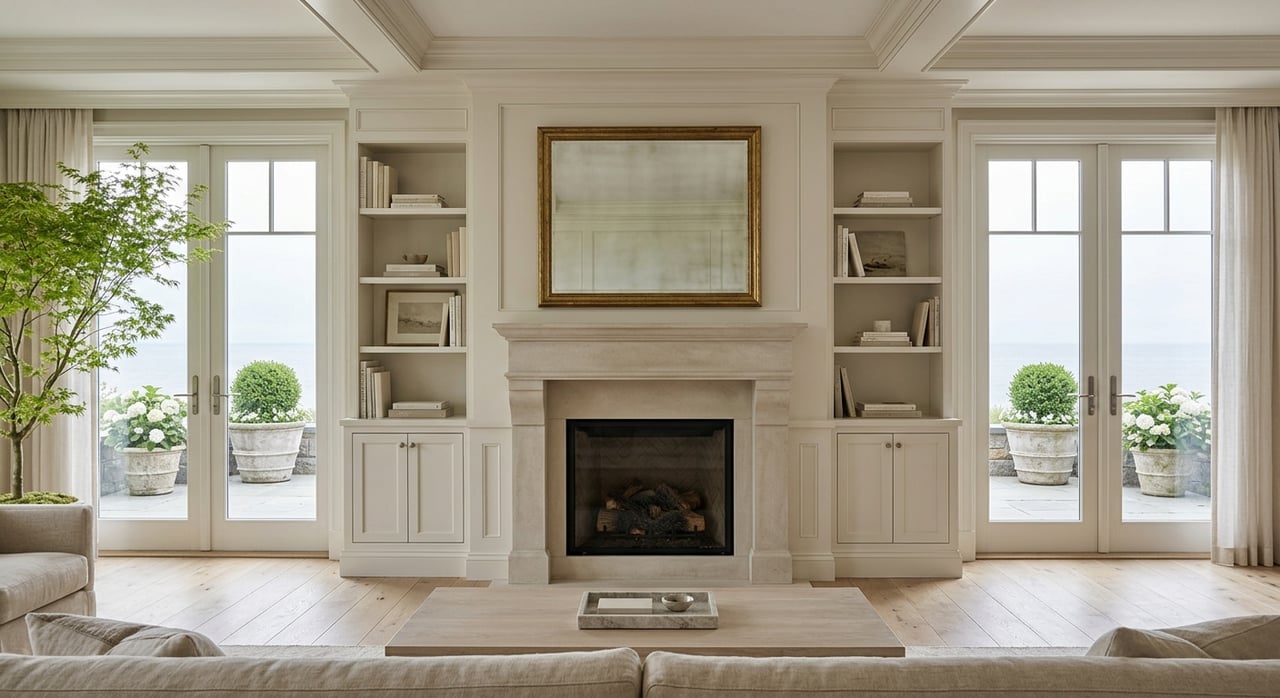
That does not mean every Greenwich estate needs to feel staged in a generic way. Often, the right approach is selective editing, refined furnishing choices, and a design-forward presentation that highlights scale, light, architectural details, and flow.
For older or architecturally significant homes, that may also mean preserving character while removing visual noise. For waterfront estates, it may mean emphasizing the relationship between interiors, grounds, and water views without overcomplicating the presentation.
Check waterfront and historic constraints early
Many Greenwich Gold Coast properties involve waterfront, near-waterfront, or historically sensitive conditions. If your estate falls into one of those categories, due diligence should happen before work begins, not after.
Greenwich maintains a Coastal Overlay Zone under the Connecticut Coastal Management Act and also a Flood Hazard Overlay Zone. In addition, Connecticut DEEP regulates coastal permits, including work in tidal or navigable waters.
If your property includes shoreline features, drainage improvements, a dock, seawall work, or other coastal elements, those records matter. Even relatively modest changes can have permitting implications, so it is smart to verify what exists, what was approved, and what can be represented confidently to a future buyer.
Historic status also deserves attention. If the estate is located in a historic district or historic overlay area, exterior changes and certain landscape work may require review by Greenwich’s Historic District Commission.
Build the documentation packet first
Quiet sales work best when the property file is as polished as the home itself. Sophisticated buyers often ask harder questions sooner, especially when access is limited and expectations are high.
For residential transfers of four dwelling units or less in Connecticut, sellers must provide a Residential Property Condition Disclosure Report before the buyer signs a binder, contract, or option. Even in a highly discreet sale, that requirement still applies.
For a waterfront estate, the supporting documentation should go further. A well-prepared packet may include:
- Permit history
- Contractor invoices
- Survey information
- Easement details
- Records for dock work
- Seawall or shoreline records
- Drainage and flood-mitigation documentation
Having these materials ready creates confidence. It also helps prevent a private conversation from stalling because a buyer or advisor cannot verify the estate’s history or improvements.
Invest in visuals, even for a private launch
Privacy-first does not mean photo-light. In fact, strong visuals often matter more in a quiet sale because they help qualified buyers decide whether the property is worth pursuing before a broader audience ever sees it.
Research in 2025 found that 81% of buyers considered listing photos the most useful feature in an online search, while 57% valued floor plans. Even if your property is never widely marketed, those preferences still reflect how buyers evaluate homes.
For a Greenwich estate, the goal is not overexposure. It is careful, accurate, editorial-quality presentation. The right photography, floor plan, and property materials can support confidential outreach while still protecting your comfort level.
In many cases, that means deciding in advance what should be shown, what should be omitted, and how the estate’s strongest attributes can be communicated without feeling overly public. That is especially important for homes with distinctive grounds, family-sensitive spaces, or recognizable settings.
Time the sale to readiness
In a fast-moving market, sellers sometimes feel pressure to launch before the house is truly ready. In Greenwich, that can be a mistake.
Recent local reporting showed median days on market at 13 days in April 2026, with inventory well below 2025 levels by May 2026. That kind of pace may tempt you to move quickly, but speed only works in your favor when the property is fully prepared.
A quiet sale is not the moment for unfinished projects, incomplete records, or makeshift photography. If your buyer pool is narrow, first impressions carry even more weight.
A better sequence is usually straightforward:
- Define the privacy strategy
- Complete cosmetic and design-forward improvements
- Confirm permit, flood, coastal, and historic considerations
- Assemble disclosures and supporting records
- Create polished visuals and floor plans
- Begin confidential outreach or launch publicly, depending on your chosen path
This approach protects both discretion and value. It also gives you more control over the process if you later decide to transition from private positioning to public exposure.
What high-end sellers should prioritize
If you are preparing a Greenwich Gold Coast estate for a quiet sale, focus on the essentials that directly shape outcome. The most effective private campaigns tend to prioritize:
- A clear decision about private versus eventual public marketing
- High-quality cosmetic preparation before launch
- Early review of waterfront, flood, and historic issues
- Complete disclosure and property documentation
- Professional visuals that support selective buyer outreach
- A measured timeline based on readiness, not urgency
In this market, scarcity can work in your favor. But privacy is most powerful when it is paired with discipline, compliance, and thoughtful presentation.
A quiet sale should feel calm, not improvised. When the estate is prepared correctly, discretion becomes a strategic advantage rather than a limitation.
If you are considering a discreet sale in Greenwich and want a senior advisor who can align presentation, privacy, and market timing, Kara Cugno offers a concierge, design-informed approach tailored to complex luxury properties.
FAQs
What is a quiet sale for a Greenwich estate?
- A quiet sale is a privacy-first selling approach that limits exposure and avoids public marketing, as long as it complies with Connecticut’s rules on private listings and public promotion.
When does public marketing start for a Connecticut home sale?
- Under Connecticut Public Act 26-23, public marketing includes signs, websites, digital ads, and certain cross-brokerage network promotion, so sellers should decide their strategy before any outward marketing begins.
What home improvements can you make in Greenwich without a permit?
- Greenwich allows many cosmetic improvements without a permit when there is no structural change, including painting, tiling, carpeting, cabinets, countertops, and similar finish work.
What should waterfront Greenwich sellers review before repairs or updates?
- Waterfront sellers should review coastal, flood, and shoreline-related constraints early, especially if the property involves docks, seawalls, drainage work, or areas affected by coastal or flood overlay rules.
What documents should you gather for a quiet sale in Greenwich?
- You should gather the property condition disclosure, permit history, contractor invoices, surveys, easement records, and documentation for any dock, seawall, drainage, or flood-mitigation work.
Why do photos and floor plans still matter in a private sale?
- Even in a discreet sale, strong visuals help qualified buyers understand the property quickly, and research shows that photos and floor plans remain two of the most valued tools in home search and evaluation.