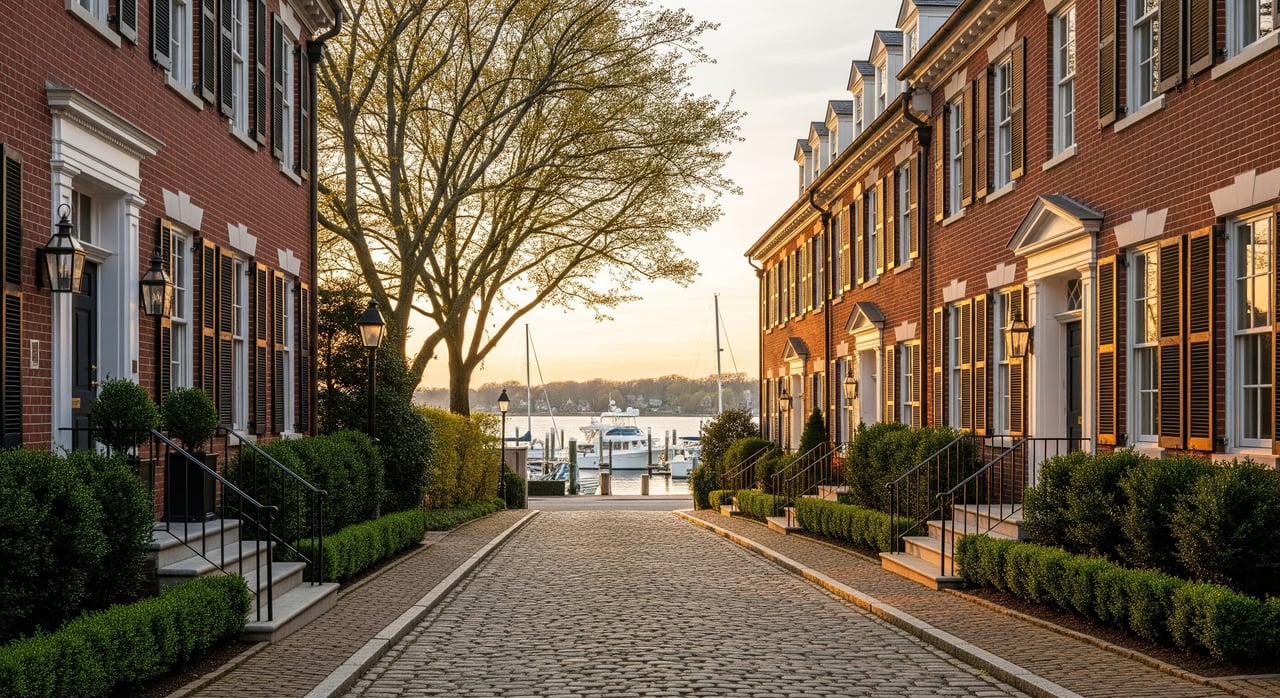
New to Greenwich and hearing people say “Greenwich Proper” like it is one small place? It is actually a cluster of distinct micro-markets, each with its own feel, architecture, and resale pattern. If you want walkability, boating access, or acreage, the right pocket can make your daily life better and your exit easier. This guide breaks down the key niches, how architecture affects condition and costs, and a simple shortlist to focus your search. Let’s dive in.
What “Greenwich Proper” means here
For clarity, this guide uses “Greenwich Proper” to describe the town center and the immediate residential areas that feed Greenwich Avenue and the Greenwich commuter rail station. That includes:
- The Downtown/Greenwich Avenue core
- Waterfront pockets around Belle Haven and Greenwich Harbor
- The near-village estate belt along North Street and Round Hill
- Field Point, mid-country, and select backcountry pockets close to town
- Historic village blocks with preservation oversight
Neighborhood names and boundaries are informal and can overlap. Always confirm exact boundaries and recent sales activity using Town and MLS maps before you compare properties.
Micro-markets at a glance
Downtown and Greenwich Avenue core
You are in the retail and civic heart of Greenwich with a short walk to shops, restaurants, municipal services, and the Greenwich station. Expect smaller lots, townhouses, renovated carriage houses, and some luxury condos.
- Buyer fit: You prioritize walkability, convenience, and an easy commute.
- Value signals: Turnkey townhouses and condos close to the station and Greenwich Avenue tend to move fastest. Smaller, finished single-family homes also attract downsizers and pied-à-terre buyers.
- Constraints: Limited lot size, less privacy, and potential municipal or parking constraints.
Waterfront, Belle Haven, and harbor pockets
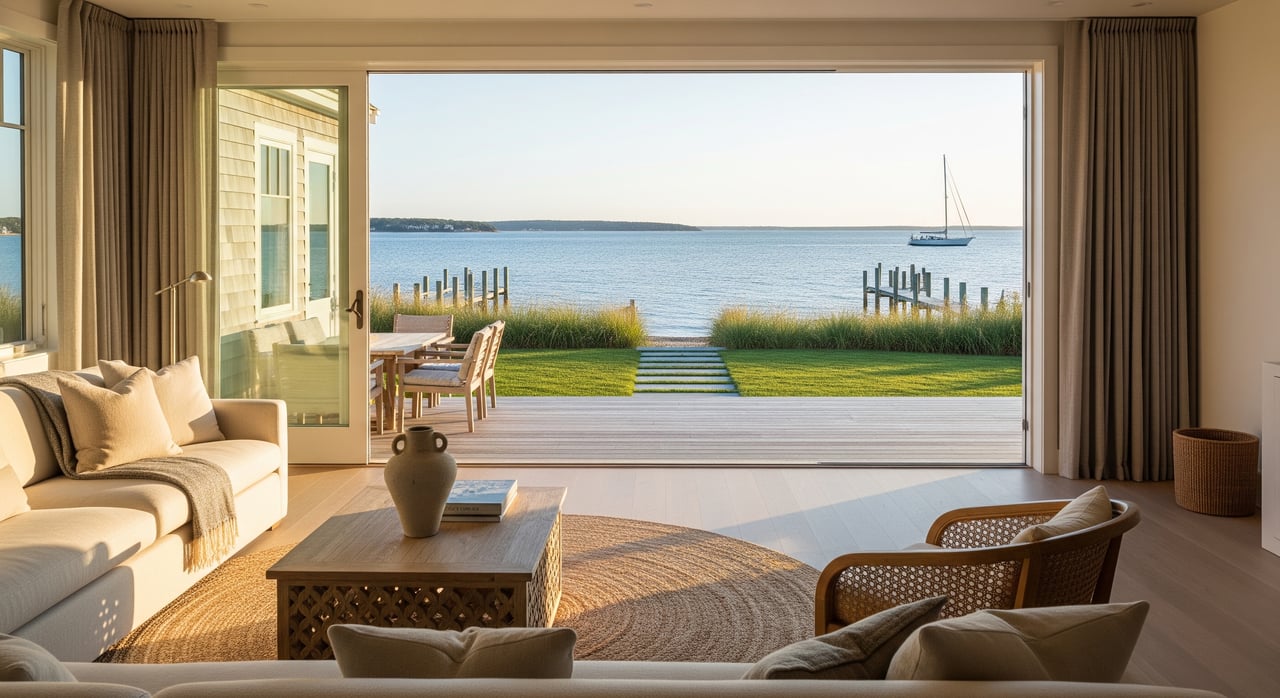
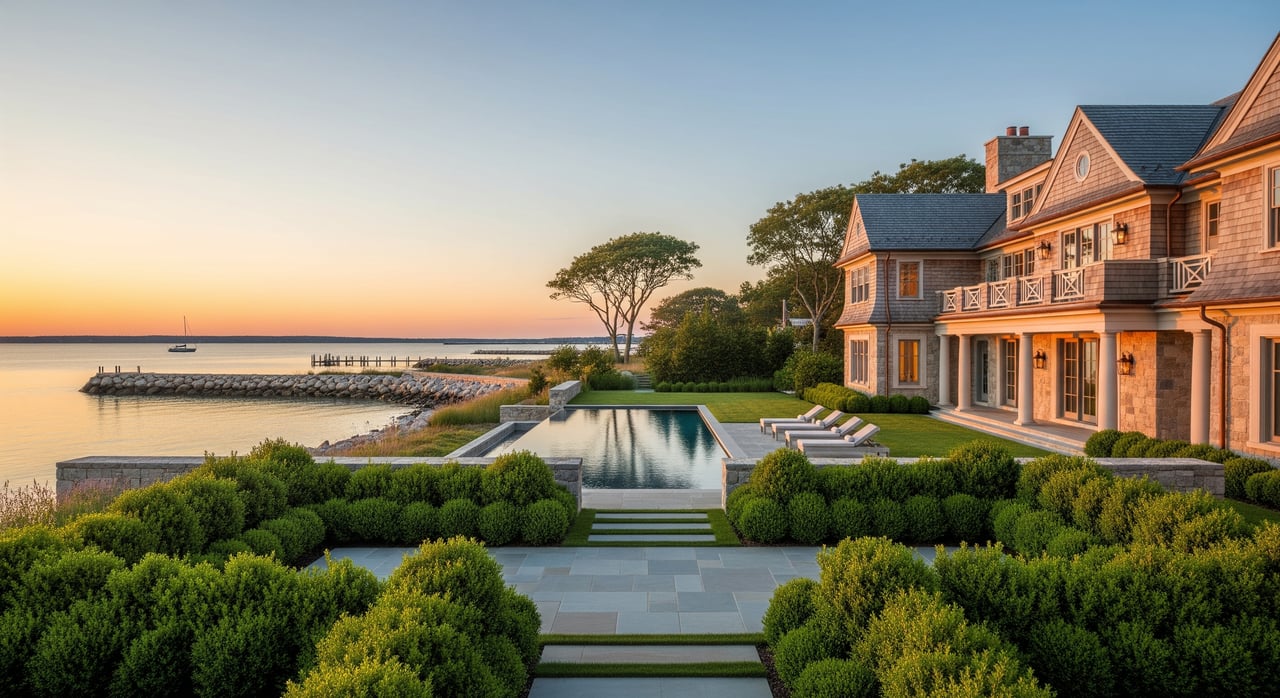
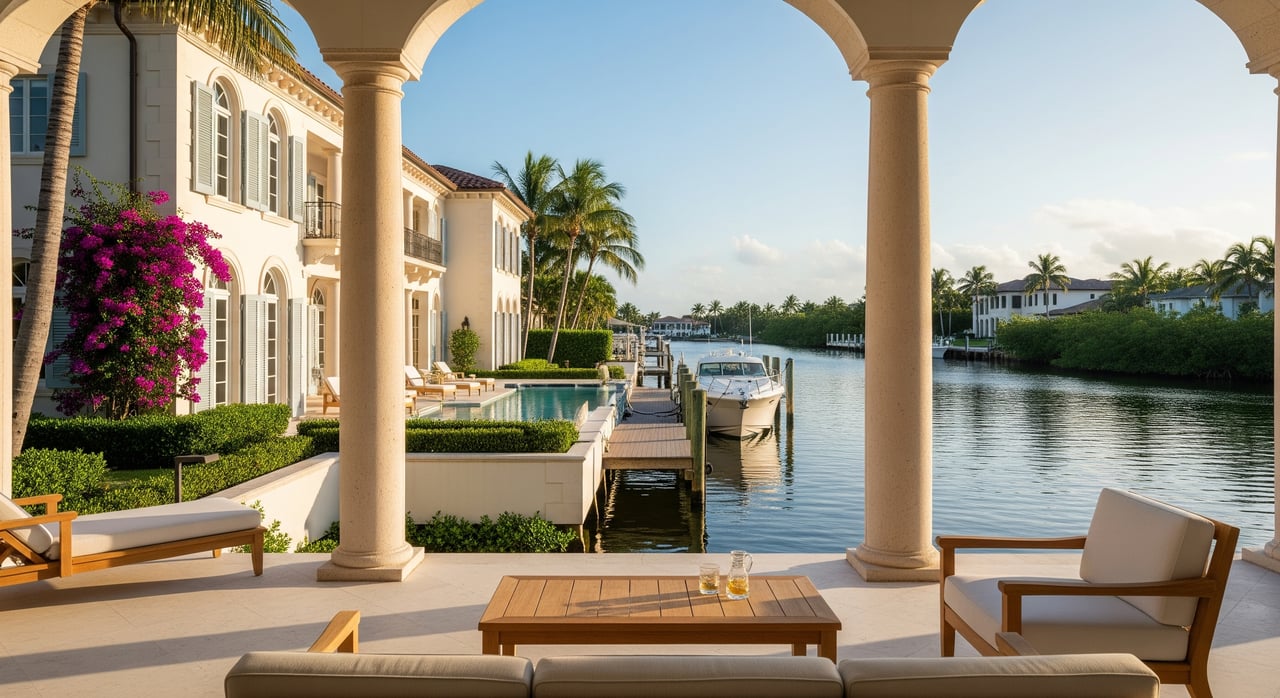
These are peninsula and harborfront streets where water access and views headline the lifestyle. Inventory ranges from restored early 20th century estates to modern waterfront builds, often on larger lots and sometimes on private association roads.
- Buyer fit: You want boating access, water views, and a prestige address.
- Value signals: Direct waterfront and deep-water dockage are major price multipliers, though liquidity depends on segment and price band.
- Constraints: FEMA coastal regulations, higher insurance and maintenance, and a narrower buyer pool at the top end.
North Street, Round Hill, and the estate belt
North and northwest of the village, you find multi-acre parcels, mature trees, and long drives. Architecture spans Gilded-age estates to substantial new construction.
- Buyer fit: You want privacy, scale, and estate amenities like pools, guesthouses, or equestrian options.
- Value signals: Acreage and estate-scale features command premiums. Liquidity is thinner at the ultra-luxury tier, so marketing times can be longer.
- Constraints: Higher taxes and carrying costs, significant maintenance, and potential conservation considerations.
Field Point, mid-country, and backcountry pockets near town
These residential streets sit south and west of the village, offering larger lots than downtown without the acreage of the estate belt. You will see mid-century colonials and ranches, many with comprehensive renovations or replacements.
- Buyer fit: You want a yard, access to parks, and a comfortable single-family home scale.
- Value signals: Renovated and move-in ready homes draw strong interest. School assignments are a meaningful factor for many buyers.
- Constraints: Variable lot sizes and some mid-century systems that may need upgrades.
Historic village pockets and preservation zones
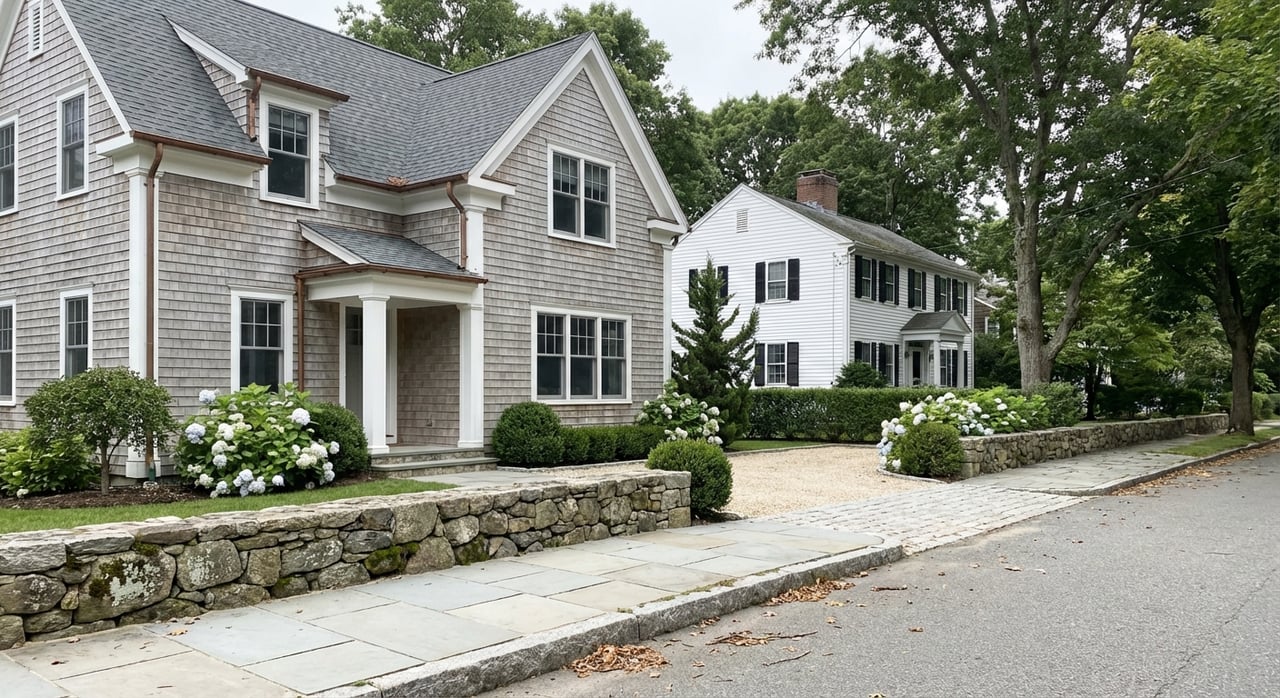
Close to Greenwich Avenue, certain blocks feature Victorian, Federal, Colonial, or Greek Revival homes and may fall under preservation review.
- Buyer fit: You value architectural character and are comfortable with older-home stewardship.
- Value signals: Well-restored historic properties in good locations tend to hold value; unique layouts can narrow the buyer pool.
- Constraints: Historic district oversight on exterior changes and the possibility of higher restoration costs.
Architecture and what it means for you
Late 19th and early 20th century homes
These include Victorian, Shingle style, and Colonial Revival properties. Expect distinctive materials and detailing, with potential historic oversight.
- What to plan for: Modernization of electrical, HVAC, and insulation, plus specialized restoration trades. Preservation processes may apply.
Mid-20th century homes
Think 1930s–1960s Colonials and mid-century moderns. They often adapt well to today’s layouts and systems but can carry dated mechanicals.
- What to plan for: Renovation versus rebuild decisions, and checks for legacy materials like asbestos or lead where applicable.
Late 20th and 21st century builds
Contemporary and bespoke estates deliver current systems and luxury amenities.
- What to plan for: Ensure construction quality and design have broad appeal. Prices are higher, but resale can be faster when finishes fit wide buyer tastes.
What drives value and liquidity in Greenwich Proper
- Proximity and access: Homes near the Greenwich station and Greenwich Avenue amenities command premiums in the sub–ultra-luxury segments. Access to I‑95 and the Merritt matters to many buyers.
- Schools: Greenwich Public Schools are a material factor for family buyers. Verify school assignments as part of due diligence.
- Waterfront and dockage: Direct water access and usable, deep-water dockage can substantially increase value, balanced by insurance and maintenance.
- Lot size and privacy: More acreage in the near-village estate belt translates into premium pricing for privacy-focused buyers.
- Condition and turnkey status: Updated, move-in homes sell materially faster than projects, especially as price per square foot rises.
- Zoning and regulation: Town zoning, wetlands or coastal setbacks, and FEMA floodplain rules shape renovation and development potential.
- Price bands: Lower to mid-luxury homes, including townhouses and many 3–5M single-family properties, typically move faster than 10M-plus estates.
- Carrying costs: Property taxes, insurance, and staffing or maintenance shape long-term ownership costs and buyer demand.
A simple shortlist for out-of-area buyers
Step 1 — define your non-negotiables
- Commute tolerance to the Greenwich station or to Manhattan
- School priorities and public versus private considerations
- Property type and setting: walkable, waterfront, acreage, or historic
- Budget and maximum carrying costs for taxes and insurance
- Renovation tolerance: move-in ready versus project
Step 2 — match to a micro-market
- Downtown core for walkability and quick station access
- Waterfront, Belle Haven, and harbor for boating and prestige
- North Street and Round Hill for acreage and privacy
- Field Point and mid-country for family-scale lots close to town amenities
- Historic village pockets for architectural character and a close-in lifestyle
Step 3 — verify the details
- Confirm school assignments with Greenwich Public Schools
- Check FEMA flood maps and coastal regulations for low-lying or waterfront homes
- Review Town of Greenwich zoning, conservation, and historic district requirements
- Pull recent comps by micro-market through the local MLS
- Validate commute times using Metro‑North schedules and typical peak travel windows
- Ask about neighborhood associations, private road agreements, covenants, and fees
- Request recent utility data, septic where applicable, structural inspections, and insurance quotes
Step 4 — tour efficiently and decide
- Start with virtual tours and targeted agent walkthrough videos focused on your top criteria
- Plan a 24–48 hour in-person trip with pre-scheduled second looks and inspections
- Bring in local experts: an experienced buyer’s agent, a civil engineer for site constraints, and an architect or builder for renovation feasibility and budgets
How to compare Greenwich Proper niches
Use lifestyle, property profile, and resale plan to structure your search:
- Lifestyle first: walk to town and train, boating life, or privacy and acreage
- Property profile: historic character, mid-century upgrade, or new-build amenities
- Resale plan: likely holding period, buyer pool you will sell to, and your tolerance for future projects
This framework helps you avoid overbroad searches and narrows attention to one or two micro-markets that align with how you live and how you plan to exit.
Move forward with confidence
Selecting the right Greenwich Proper micro-market sets the tone for your daily life and your eventual resale. If you want a discreet, senior-led process with design-minded guidance, private sourcing when appropriate, and clear coordination across markets, connect with Kara Cugno to start a focused, confidential strategy.
FAQs
How do Greenwich Proper micro-markets differ for buyers?
- They vary by walkability, waterfront access, lot size and privacy, architectural era, and renovation oversight, which together influence value and ease of resale.
Do buyers pay more to live closer to the train in Greenwich?
- Yes. Proximity and short access to the Greenwich station often command premiums, especially below the ultra-luxury tier where commute convenience is essential.
Is a historic home in Greenwich harder to sell?
- It can be if condition is poor or the layout is highly idiosyncratic; well-restored homes in desirable locations tend to retain value, but expect preservation review on changes.
How much premium does waterfront add in Greenwich?
- Direct water access and deep-water dockage are major value multipliers, balanced by higher insurance, maintenance, and a narrower buyer pool at the top price bands.
Where should a family start if the price band is broad?
- Choose product type first—yard size, walkability, or waterfront—then focus on one or two micro-markets; many families begin in Field Point, mid-country, or the North Street corridor.