Picture your morning starting with a coffee in the village, a quick walk to the train, and a late‑day stroll along the Sound. If you are exploring where to live on the Connecticut coast, you want a place that balances everyday ease with a true waterfront lifestyle. Old Greenwich delivers that mix with a compact village core, beloved beaches, and practical access to the region. This guide gives you a clear feel for daily life, plus the key logistics you should know before you buy. Let’s dive in.
Where Old Greenwich fits on the map
Old Greenwich is a village within the Town of Greenwich in Fairfield County. It is not a separate municipality, so services and regulations come from the Town of Greenwich. The village sits along Long Island Sound with the commercial center clustered near the Metro‑North Old Greenwich station and the main shop‑and‑dine corridor.
Greenwich Point, known locally as Tod’s Point, is just beyond the village center. It anchors much of the outdoor and beach life here. You feel close to the water even when you are running daily errands.
Daily routines and village rhythm
Walkable errands in the village
The heart of Old Greenwich is compact and easy to navigate on foot. You can walk to cafés, small restaurants, a pharmacy, banks, and specialty food shops from many nearby streets. A quick loop through the center often covers daily needs. For larger grocery runs, medical centers, or big‑box stores, you will likely drive to other parts of Greenwich or to nearby Stamford.
Coffee to coastline in minutes
Greenwich Point is a daily habit for many residents. In warm months, you see morning walkers, runners, and families heading to the beach. In the off‑season, it becomes a serene spot for a quiet loop or a sunset view. Rules, hours, and access are set by the Town of Greenwich Parks & Recreation. If you plan to visit often, review current park and beach pass details on the town’s Park Pass information page.
Commuting that works in real life
The Old Greenwich station on the Metro‑North New Haven Line gives you frequent trains to Stamford, New Haven, and Grand Central Terminal. Your ride to Manhattan typically ranges from about 50 minutes to more than an hour, depending on local or express service. Always check current timetables on the Metro‑North Old Greenwich station page to match your preferred train.
If you drive, I‑95 is close, though traffic patterns can stretch travel times. Local and regional buses operate, but service is limited compared with dense urban areas. Many residents default to rail for predictability.
Beaches, parks, and the boating scene
Greenwich Point essentials
Greenwich Point is the signature waterfront park for Old Greenwich. You will find sandy beaches, walking and biking paths, picnic spots, and broad views of Long Island Sound. Access and parking rules vary by season and residency, and guest policies apply. Before you plan beach days or host visitors, review town guidance through Parks & Recreation and the town’s Park Pass information to confirm the latest fees and rules.
Boating, sailing, and paddling
Boating culture is strong. Residents use private moorings, small marinas, and club facilities to get on the water. Kayaking and paddleboarding are popular in calm weather. Mooring availability, fees, and launch rules are set by the town or private providers, and summer demand can be high. If boating is central to your lifestyle, start early on applications and waitlists.
Trails, birding, and wildlife
The shoreline and tidal marshes around Old Greenwich draw birders and anglers. You can expect seasonal migrations and protected shorebird areas in certain months. It adds a natural rhythm to the area, especially in spring and fall.
Homes and architecture you will see
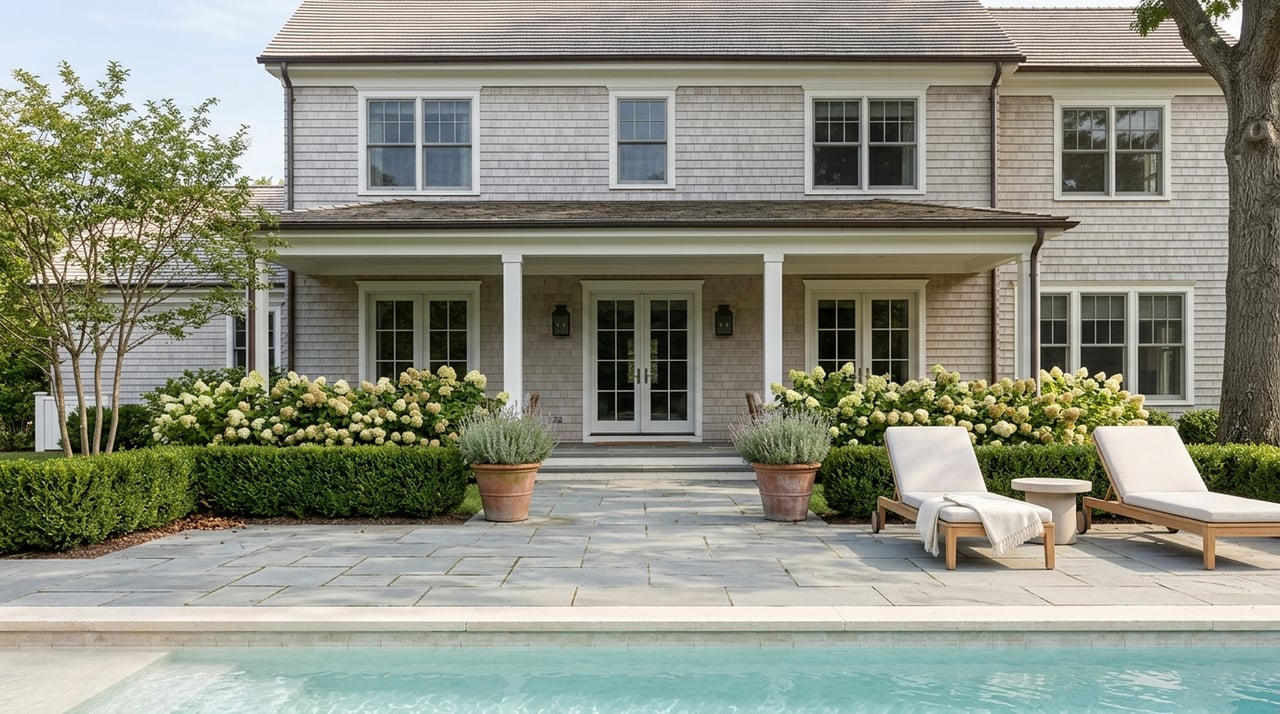
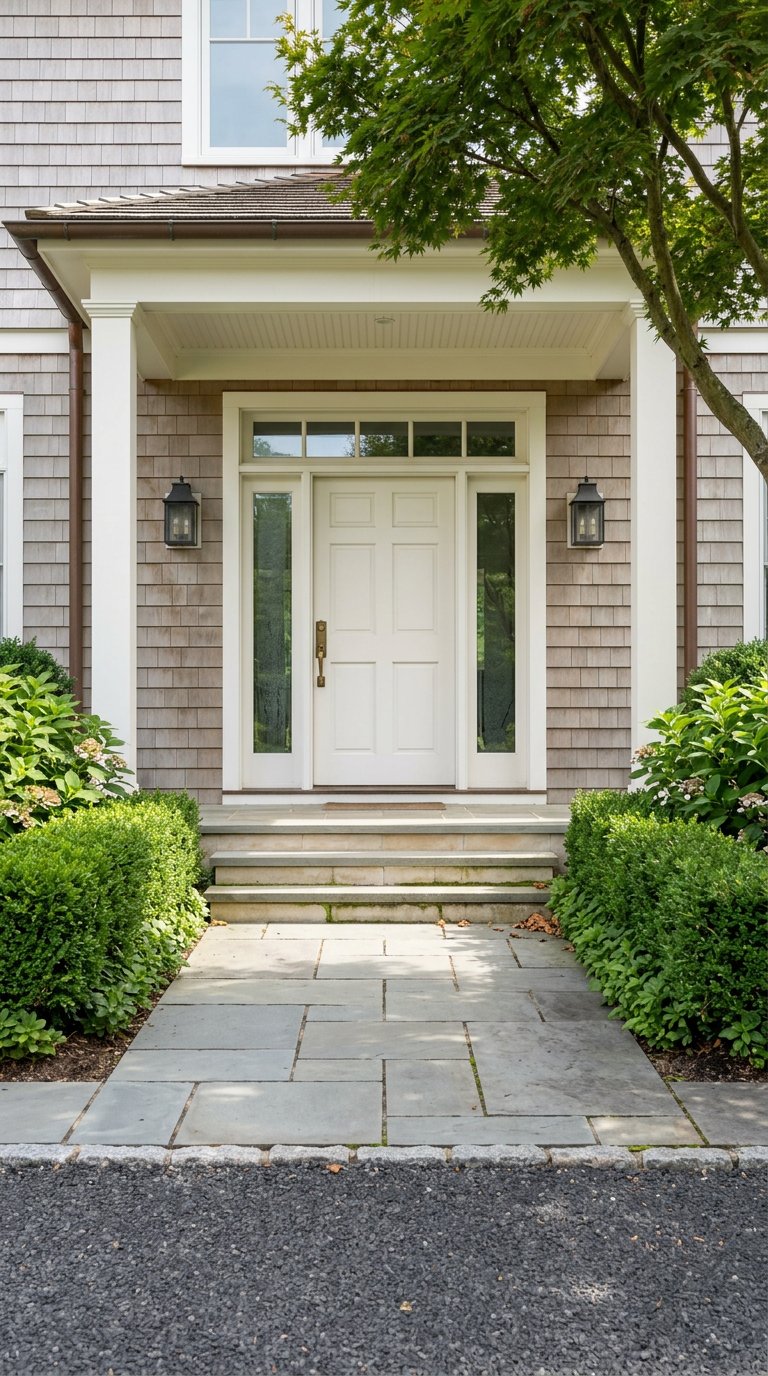
Housing in Old Greenwich is diverse. You will see small coastal cottages and bungalows, classic shingle and Colonial‑style homes, mid‑century houses, and substantial newer builds. Close to the train and village center, lots are often narrower and historic. Near the water, parcels can be larger and may support custom construction or significant renovations.
A common trend is the renovation or replacement of older cottages on desirable lots. Many buyers opt to upgrade footprint and systems to meet modern needs, especially within a comfortable walk to the station or near the shoreline. This evolution shapes street character and can influence property taxes and long‑term maintenance plans.
Prices vary widely, from more modest interiors to top‑tier waterfront estates. What commands a premium is the combination of beach access, village walkability, and rail convenience.
A practical buyer checklist
Validate your commute
- Ride your target trains during peak times to confirm door‑to‑door timing. Express versus local service can change your day. Reference the Metro‑North Old Greenwich station page for current schedules.
- If you will park at the station, look into local permits and typical availability. Also note village traffic patterns around school drop‑off and evening peak.
Understand schools and services
- Families in Old Greenwich attend schools within the Greenwich Public Schools system. Assignments are neighborhood based and can evolve over time. Verify current school assignments directly with Greenwich Public Schools for the specific address you are considering.
- For healthcare, specialty shopping, and professional services, plan for short drives to central Greenwich or Stamford.
Assess flood and coastal risk early
- Parts of Old Greenwich, especially along the shoreline and low‑lying streets, fall within FEMA flood zones. Before you proceed, search parcel‑specific flood mapping through the FEMA Flood Map Service Center, and request an elevation certificate and any prior flood claim history from the seller when available.
- For long‑term context, explore sea level and storm‑surge projections using the NOAA Sea Level Rise Viewer and review Connecticut guidance on adaptation through CT DEEP’s coastal resilience resources.
- Ask insurers for sample homeowner and flood insurance quotes based on the property’s elevation and mitigation features. Private flood options may be available in addition to NFIP policies.
Know the permitting framework
- Shoreline properties can be subject to additional permitting, coastal site review, and conservation rules. The Town of Greenwich enforces building codes, setbacks, and coastal regulations. Before designing a project or planning a significant renovation, consult the Town’s Building and Conservation teams for requirements and timelines.
Budget beyond the mortgage
- Factor in resident beach and park passes, possible mooring or harbor fees, homeowner and flood insurance, and property taxes.
- Waterfront owners should plan for periodic seawall, bulkhead, or shoreline maintenance, where applicable.
Seasonality and lifestyle tradeoffs
Spring and summer bring vibrant activity at the waterfront and in the village. You will notice more visitors at Greenwich Point, outdoor dining, and a lively evening scene. Fall tends to be quieter, with crisp walks and clear views across the Sound. Winter is calm but fully functional, with year‑round services in the village.
Quality of life here is defined by water access and a strong sense of place. The tradeoffs include seasonal crowds, parking pressure near the beaches and train, and occasional noise from boating or seasonal businesses. Many buyers consider these manageable in exchange for the daily access to the shoreline and village.
How to get a true feel for daily life
- Visit on a weekday morning to experience the station flow and village coffee rush.
- Walk from a property you are considering to the village core and train to gauge your own walking time.
- Go to Greenwich Point near sunset for a sense of after‑work life.
- Return on a summer weekend and again in winter to see how the rhythm shifts with the seasons.
A few simple visits will tell you if this pace and setting fit your routine.
Ready to explore Old Greenwich with a trusted, senior advisor who understands coastal property, design, and discretion? Request a private consultation with Kara Cugno to discuss homes, logistics, and off‑market options tailored to your goals.
FAQs
How walkable is Old Greenwich in winter?
- Walkability is strong near the village core and station year‑round, but it varies block by block. Test your route from a specific address to the shops and train during colder months to confirm comfort and timing.
What is a realistic commute time from Old Greenwich to Manhattan?
- Depending on the train, typical rides range from about 50 minutes to more than an hour. Check the Metro‑North Old Greenwich station page for current express and local options, and test your preferred trains during peak periods.
Does buying in Old Greenwich include beach rights?
- Greenwich Point is a town‑managed public park with specific rules for access, permits, parking, and guests. Some properties may have separate private beach rights, but that is not universal. Confirm any deeded rights and review town Park Pass information before you rely on assumptions.
How do I check flood risk for a specific Old Greenwich address?
- Start with the FEMA Flood Map Service Center to view parcel‑level mapping. Then request an elevation certificate, ask for any prior flood claim history, and review long‑term projections in the NOAA Sea Level Rise Viewer.
What should I know before renovating a coastal home in Old Greenwich?
- Shoreline properties can require added reviews for coastal site plans and conservation. Coordinate early with the Town of Greenwich Building and Conservation teams, and confirm permit scope, timing, and any shoreline protection requirements.
Are short‑term rentals allowed in Old Greenwich?
- Rules are governed by the Town of Greenwich and may limit transient occupancy. Confirm current regulations for the address and property type you have in mind before you plan a rental strategy.